When comparing 6061 vs 6101 aluminium flat bar, start with the part’s job. For a mechanical bracket or machined support, 6061 is often the first candidate. For a bar carrying electrical current, 6101 is often the more relevant starting point. Neither choice is complete until the material condition and operating requirements are checked.
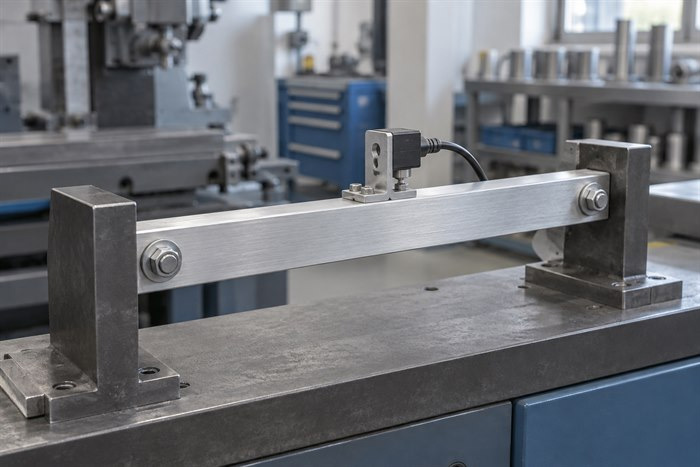
This guide helps equipment manufacturers and purchasing teams compare the two alloys without getting lost in a long property chart. The useful question is not simply “Which is better?” It is “Which material meets this part’s requirements, and what evidence should accompany the quotation?”
Start with the load and machining
A candidate for supports, mounting strips and other mechanical components. Confirm the required strength, dimensions and processing.
Start with the electrical duty
A candidate for busbars where conductivity and mechanical strength both matter. Confirm the temper, connections and equipment requirements.
These starting points reflect Hydro’s 6061 guidance and 6101 bus-conductor guidance. They are not automatic approvals for a particular design.
1. What changes when you choose 6061 or 6101?
Both are aluminium alloys, also described as aluminum alloys in US documents. The practical distinction is their balance of mechanical and electrical properties. Compare a named alloy and temper, rather than treating every version of 6061 or 6101 as identical.
| Buyer’s question | 6061 | 6101 |
|---|---|---|
| What is its usual focus? | Mechanical and structural components. | Electrical conductors requiring useful mechanical strength. |
| What should lead the discussion? | Loads, support spacing, machining and final fit. | Conductivity, current duty, connections and mechanical support. |
| Can it be bent or welded? | Check the temper and proposed process before specifying it. | Check the temper and proposed process before specifying it. |
| Can it replace the other alloy? | Only after the relevant design requirements are checked and the change is approved. | |
Electrical conductivity describes how readily a material carries current. For a concrete comparison, Kaiser Aluminum’s extruded-shape data lists typical electrical conductivity at 20°C of 43% IACS for 6061-T6 and 57% IACS for 6101-T6, on an equal-volume basis. IACS means International Annealed Copper Standard: it is a conductivity reference, not an aluminium-purity percentage.
What this means for a buyer: 6101-T6 has the higher published conductivity in this comparison. These typical values are not guaranteed batch results, energy-efficiency percentages or current ratings. Ask for the requirement and test evidence applicable to the material being offered.
An electrical design must also account for the bar’s size, heat dissipation and joints. Hydro’s conductor guidance treats the material, size, shape and connections together. An alloy number alone cannot tell you the permitted current.
2. Why the letters after the alloy number matter
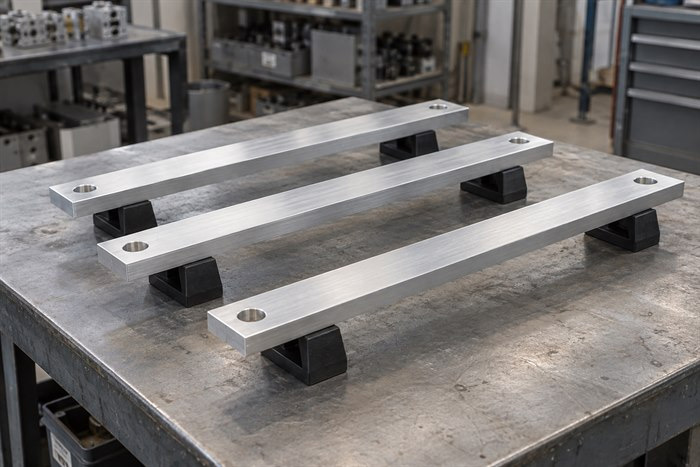
Temper describes the material’s condition after treatment. It helps explain why two bars with the same alloy number can differ in strength or ease of bending. Put the complete designation on the drawing and order, such as 6061-T6, instead of writing only “6061”.
For 6101, Hydro describes T61 as having higher conductivity but lower mechanical properties than T6. That trade-off may matter when a conductor also needs to hold its shape under load. It does not make either temper universally preferable. See the 6101 temper descriptions.
Processing matters too. Hydro notes that welding can reduce 6061-T6 strength in the weld region, and tighter bends may require a softer condition. If your part will be welded or bent, tell the supplier before requesting a material recommendation. The 6061 data sheet explains these limitations.
3. Same size, two different jobs
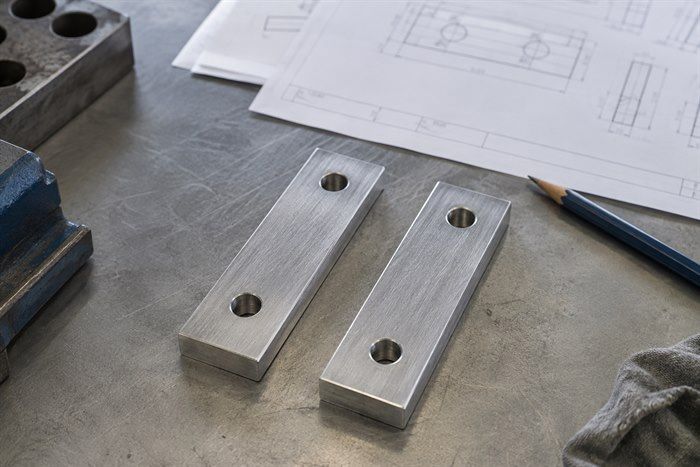
Imagine two parts, both 50 × 10 × 300 mm, stated as width × thickness × length. Both have two drilled holes. This hypothetical example shows why matching dimensions does not establish that the materials are interchangeable.
It supports a machine component
The strip carries no intended operating current. Begin by considering 6061, then give the designer the load, support spacing and hole arrangement.
Before choosing: confirm that the selected alloy and temper meet the mechanical requirements after the planned machining or welding.
It connects electrical terminals
Begin by considering 6101, then provide the required current, operating cycle, available space, temperature conditions and connection details.
Before choosing: confirm the electrical performance and mechanical support of the complete arrangement. The example size is not a current-capacity recommendation.
To use this method on your own order, write down the job first, identify what must be verified, and only then compare offers. If a supplier proposes a different alloy, return to that verification step before approving the substitution.
4. Compare quotations on the same finished-part basis
A lower price is useful only if the offer covers the same requirements. Use these four checks before choosing a supplier or accepting an alternative material:
- Match the specification. Check alloy, temper, product form and the drawing revision. If the material changes, request approval before production.
- Match the work included. Compare cutting, drilling, edge treatment, surface finish and packing. A cut blank and a finished component are different purchases.
- Match the evidence. Request material identification and the agreed inspection records. For electrical use, identify the conductivity requirement and how compliance will be demonstrated.
- Match delivery terms. Use the same quantity, destination and delivery basis. Confirm availability and timing for the specific alloy and temper rather than assuming one grade is always easier to obtain.
For dimensions and order fields, use our flat bar specification guide. The 6061-T6 product page and 6101 flat busbar product page provide relevant enquiry starting points.
“Please review the attached drawing for our electrical link. State the proposed alloy and temper, the applicable conductivity requirement, and the inspection evidence included. Quote the finished part to the drawing revision shown, and list any material or processing exceptions separately.”
Replace “electrical link” with your actual application and attach the quantity, drawing and delivery requirements.
Questions buyers often ask
Can 6061 be used as an electrical busbar?
It may be suitable where the complete electrical and mechanical design has been checked for the specified 6061 temper. Do not replace a specified 6101 bar solely because a 6061 bar has the same dimensions or is available sooner.
Is 6101 always cheaper than 6061?
There is no reliable blanket price rule. Compare current quotations for the same quantity, finished dimensions, processing, inspection and delivery terms. A lower material price can be outweighed by additional work or an unsuitable specification.
Can I identify the alloy by its appearance?
Surface appearance is not enough to confirm alloy and temper. Use material records linked to the delivered batch or part identification. When identity is uncertain, agree suitable verification before accepting the material.
Start your enquiry with the part’s job
For 6061 vs 6101 aluminium flat bar, a useful comparison starts with the application and ends with a confirmed specification. Send your drawing, quantity, destination and intended use. Include the required alloy and temper if already defined, and identify any alternatives you want reviewed.
Send your application and drawing →Technical references
Hydro — Alloy 6061, 2019 data sheet: applications, temper and processing considerations.
Hydro — Alloy 6101, 2019 data sheet: conductor applications and temper trade-offs.
Kaiser Aluminum — Extruded Standard Shapes technical data: 6061 and 6101 typical physical properties, PDF pages 3 and 7. Published reference values, not this supplier’s guaranteed specification.
Hydro — Aluminum busbars and tubular conductors: conductor design considerations. Sources consulted September 23, 2026.