What Is Aluminium Flat Bar? A Complete Guide for Buyers
Aluminium flat bar is a long aluminum product with a flat rectangular cross-section. It is widely used in electrical systems, machinery manufacturing, construction, transportation, metal fabrication and general industrial applications. For B2B buyers, aluminium flat bar is often selected because it is lightweight, corrosion-resistant, easy to process and available in many alloy grades and sizes.
This guide explains what aluminium flat bar is, how it is classified, which grades are commonly used, where it is applied and what information buyers should confirm before requesting a quotation.
What Is Aluminium Flat Bar?
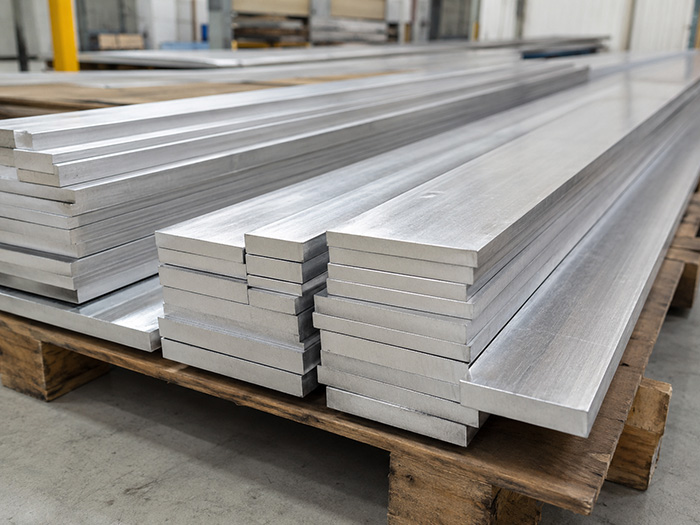
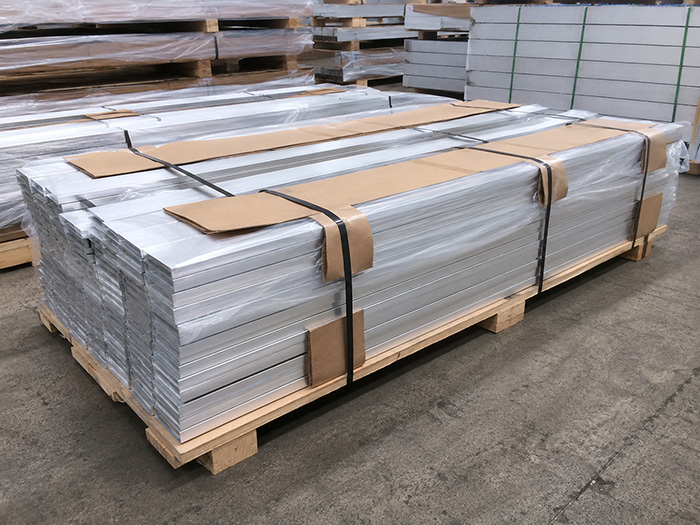
Aluminium flat bar is a flat aluminum profile with a rectangular shape. It is usually supplied in different widths, thicknesses and lengths. Depending on the alloy grade and application, aluminium flat bar can be used for electrical conductivity, structural support, machinery parts, frames, brackets, decorative components and general fabrication.
By edge shape, aluminium flat bar is mainly divided into two types: round edge aluminium flat bar and square edge aluminium flat bar.
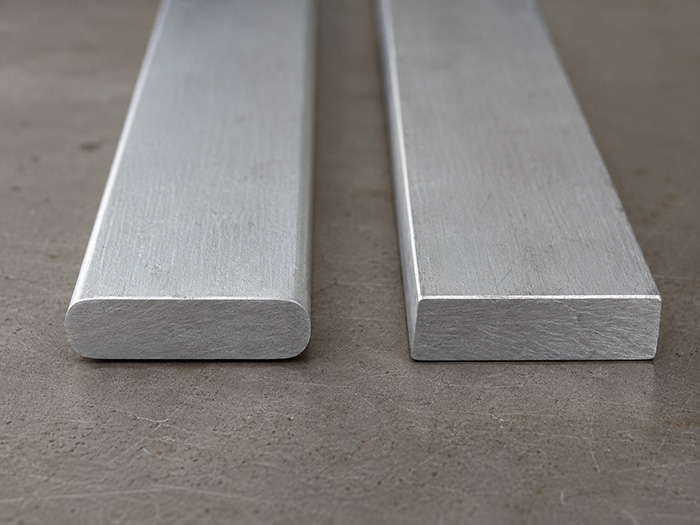
Round edge aluminium flat bar has smoother edges. It is often used where safer handling, easier installation or better surface appearance is required. Square edge aluminium flat bar has straight edges and is commonly used for machining, structural parts, electrical components and precision fabrication.
The right aluminium flat bar should be selected according to alloy grade, temper, edge shape, size tolerance, surface condition and final application.
For buyers who need custom sizes or multiple alloy options, it is better to work with an experienced aluminium flat bar supplier who can recommend a suitable material according to the actual use.
Aluminium Flat Bar vs Aluminium Busbar
Aluminium flat bar and aluminium busbar can look similar, but they are not exactly the same.
Aluminium flat bar refers to the product shape. It is a flat rectangular aluminum material that can be used in many industries.
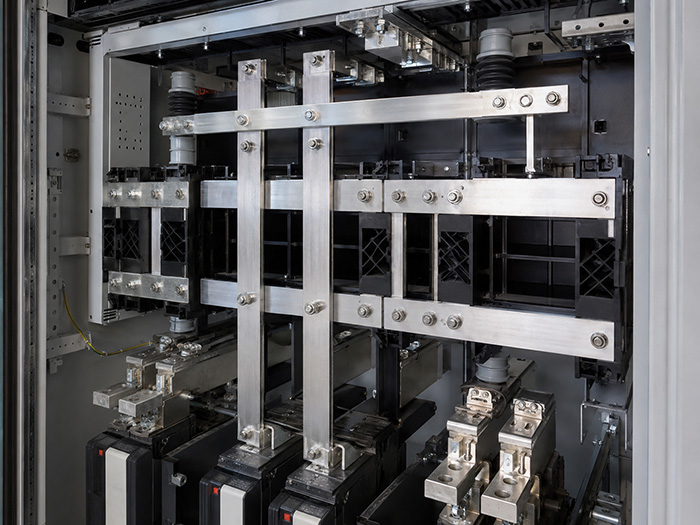
Aluminium busbar refers to the electrical application. It is mainly used to conduct current in power distribution systems, switchgear, electrical cabinets, transformers and other electrical equipment.
In simple terms, an aluminium busbar can be made from aluminium flat bar, but not every aluminium flat bar is suitable for busbar use. If the product is used for electrical conductivity, buyers should pay more attention to alloy grade, conductivity, surface quality, size tolerance and connection performance.
Common Aluminium Flat Bar Grades
Different aluminium grades have different properties. Choosing the right grade is important for conductivity, strength, corrosion resistance, machinability and cost control.
| Grade | Main Features | Common Applications |
| 1060 Aluminium Flat Bar | High aluminum purity, good conductivity and corrosion resistance | Electrical parts, busbars, conductive components |
| 1070 Aluminium Flat Bar | Higher purity and good electrical conductivity | Power distribution, electrical busbars, conductors |
| 1100 Aluminium Flat Bar | Good formability and corrosion resistance | General fabrication, decoration, industrial use |
| 1350 Aluminium Flat Bar | Electrical-grade aluminum with good conductivity | Conductors, busbars, electrical systems |
| 2024 Aluminium Flat Bar | Good strength and fatigue resistance | Mechanical and structural components |
| 5052 Aluminium Flat Bar | Good corrosion resistance and medium strength | Marine, vehicle and fabrication applications |
| 5083 Aluminium Flat Bar | High corrosion resistance and good strength | Marine, transportation and heavy-duty structures |
| 6061 Aluminium Flat Bar | Good strength, machinability and weldability | Machinery parts, frames and industrial components |
| 6063 Aluminium Flat Bar | Good surface finish and corrosion resistance | Construction, decoration and industrial profiles |
| 6101 Aluminium Flat Bar | Good electrical conductivity and strength | Electrical busbars, switchgear and power systems |
| 7075 Aluminium Flat Bar | High strength aluminum alloy | High-strength structural and mechanical parts |
For electrical applications, buyers often choose 1060, 1070, 1350 or 6101 aluminium flat bar. For machining, frames and industrial components, 6061 aluminium flat bar is commonly used. For high-strength applications, 7075 aluminium flat bar may be selected according to engineering requirements.
Main Applications of Aluminium Flat Bar
Aluminium flat bar is used in many industries because it offers a practical balance of light weight, corrosion resistance, strength and processing performance.
Electrical Applications
Aluminium flat bar is commonly used as aluminium busbar, conductor bar, grounding bar and electrical connection component. In these applications, conductivity, surface quality and dimensional accuracy are important.
Common electrical uses include:
- Aluminium busbars
- Power distribution systems
- Switchgear components
- Electrical cabinets
- Grounding systems
- Conductive connectors
- Transformer components
For electrical use, 1060, 1070, 1350 and 6101 aluminium flat bars are commonly selected.
Industrial Fabrication
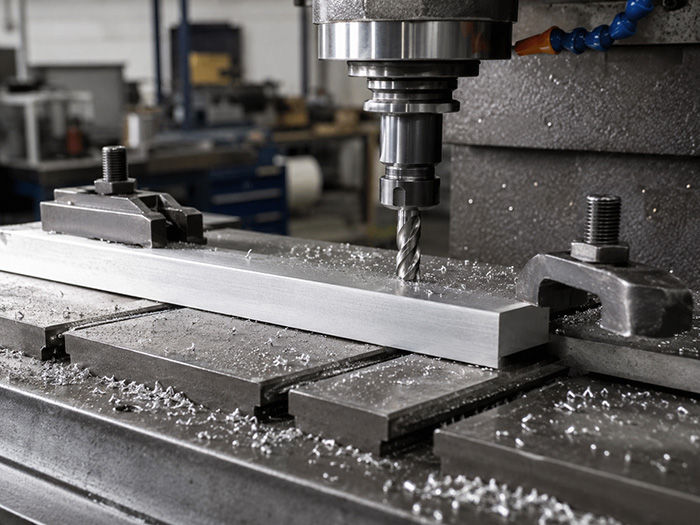
Aluminium flat bar is easy to cut, drill, weld and machine. It is suitable for many fabrication projects where light weight, corrosion resistance and easy processing are required.
Common industrial uses include:
- Machinery parts
- Equipment frames
- Support brackets
- Fixtures and fittings
- Metal processing parts
- General fabrication components
For industrial fabrication, 6061 aluminium flat bar is one of the most commonly used grades.
Construction and Structural Use
Aluminium flat bar can be used in construction, decoration and structural applications. It provides good appearance, corrosion resistance and easy installation.
Common construction uses include:
- Building decoration
- Frames and rails
- Structural supports
- Architectural components
- Interior and exterior fittings
6061 and 6063 aluminium flat bars are often used for construction and structural applications.
Marine and Transportation Use
For humid or corrosive environments, corrosion resistance is an important factor. 5052 and 5083 aluminium flat bars are often used in marine and transportation applications.
Common uses include:
- Marine structures
- Vehicle components
- Transportation equipment
- Corrosion-resistant parts
- Heavy-duty fabrication
High-Strength Mechanical Applications
For applications that require higher strength and load-bearing performance, 7075 aluminium flat bar can be considered. It is commonly used for precision mechanical parts, mold components, tooling parts and high-strength structural components.
However, 7075 aluminium flat bar is usually more expensive than 6061, so buyers should choose it based on actual strength and machining requirements.
Round Edge vs Square Edge Aluminium Flat Bar
Aluminium flat bar can be supplied with different edge shapes. The two common types are round edge and square edge.
| Type | Features | Suitable Applications |
| Round Edge Aluminium Flat Bar | Smooth edges, safer handling, better appearance | Electrical installation, exposed parts, safer assembly |
| Square Edge Aluminium Flat Bar | Straight edges, accurate shape, easier machining | Structural parts, precision fabrication, machinery components |
If the product will be handled frequently or installed in electrical systems, round edge aluminium flat bar may be more suitable. If the product needs machining, tight assembly or straight contact surfaces, square edge aluminium flat bar may be preferred.
How to Choose the Right Aluminium Flat Bar
Choosing the right aluminium flat bar is not only about price. Buyers should consider the actual application, alloy grade, temper, size tolerance, surface requirement and supplier capability.
Here are some practical selection tips:
For electrical conductivity, choose 1060, 1070, 1350 or 6101 aluminium flat bar.
For general machining and structural use, choose 6061 aluminium flat bar.
For better corrosion resistance, consider 5052 or 5083 aluminium flat bar.
For construction and decorative use, 6063 aluminium flat bar can be a suitable option.
For high-strength parts, 7075 aluminium flat bar may be considered according to the working load and machining requirements.
For electrical busbar use, buyers should also confirm the working current, installation method, connection holes, surface treatment and operating environment.
Custom Aluminium Flat Bar Sizes
Aluminium flat bar can be supplied in standard sizes or customized according to customer requirements. Custom width, thickness and length are commonly requested in B2B projects.
Common customization options include:
- Custom width and thickness
- Fixed length or cut-to-size service
- Round edge or square edge design
- Different alloy grades and tempers
- Mill finish or customized surface requirement
- Drilling, cutting or simple processing based on drawings
- Export packing according to shipment requirements
For some special sizes, new tooling or molds can also be developed based on order requirements. This is especially useful when buyers need long-term supply of non-standard aluminium flat bar dimensions.
What Information Is Needed for a Quotation?
To get an accurate aluminium flat bar quotation, buyers should provide clear technical and order information.
Important quotation details include:
1.Aluminium grade, such as 1060, 1070, 6061 or 6101
2.Temper, such as O, H112, T5 or T6
3.Width, thickness and length
4.Round edge or square edge requirement
5.Quantity or total weight
6.Application or working environment
7.Tolerance requirement
8.Surface requirement
9.Packing and shipping requirements
10.Drawing or sample, if available
If you are not sure which grade is suitable, you can explain your application first. An experienced supplier can recommend a suitable aluminium flat bar material based on electrical, industrial or structural requirements.
Common Mistakes When Buying Aluminium Flat Bar
Many purchasing problems come from unclear specifications or choosing the wrong material grade. Buyers should avoid the following mistakes:
Only Comparing Price
A lower price may not always mean better value. Alloy grade, tolerance, surface quality, packing method and delivery reliability also affect the final purchasing result.
Not Confirming the Application
Different applications require different materials. Aluminium flat bar for electrical conductivity is different from aluminium flat bar for structural machining.
Ignoring Edge Shape
Round edge and square edge aluminium flat bars are suitable for different uses. Buyers should confirm the edge shape before ordering.
Not Providing Tolerance Requirements
If the aluminium flat bar will be used for precision assembly or machining, size tolerance should be confirmed in advance.
Overlooking Export Packing
For international shipment, proper packing is important. Aluminium flat bars should be packed to reduce bending, surface damage and movement during transportation.
Why Work with an Aluminium Flat Bar Supplier?
Working with a professional aluminium flat bar supplier can help buyers reduce material selection mistakes, confirm suitable specifications and improve purchasing efficiency.
A reliable supplier should be able to provide:
- Multiple aluminium grades
- Custom size support
- Material recommendation according to application
- Stable production capacity
- Quality inspection before shipment
- Export packing experience
- Clear communication for B2B orders
- After-sales support
For overseas buyers, supplier experience is especially important because product quality, packing, documentation and delivery schedule all affect the final order result.
FAQ About Aluminium Flat Bar
What is aluminium flat bar?
Aluminium flat bar is a flat rectangular aluminum profile supplied in different widths, thicknesses and lengths. It is used for electrical, industrial, construction, structural and fabrication applications.
What is aluminium flat bar used for?
Aluminium flat bar is used for aluminium busbars, power distribution systems, grounding bars, machinery parts, support frames, brackets, construction components and general fabrication.
What is the difference between aluminium flat bar and aluminium busbar?
Aluminium flat bar refers to the product shape, while aluminium busbar refers to its electrical application. A busbar is usually made from a suitable conductive aluminium flat bar.
Which aluminium flat bar is suitable for electrical applications?
1060, 1070, 1350 and 6101 aluminium flat bars are commonly used for electrical applications because they offer good electrical conductivity.
Is 6061 aluminium flat bar suitable for machining?
Yes. 6061 aluminium flat bar has good strength, machinability and weldability. It is widely used for machinery parts, equipment frames and industrial fabrication.
What is the difference between round edge and square edge aluminium flat bar?
Round edge aluminium flat bar has smoother edges and is suitable for safer handling and installation. Square edge aluminium flat bar has straight edges and is often used for machining, structural parts and precision fabrication.
Can aluminium flat bar be customized?
Yes. Aluminium flat bar can be customized by alloy grade, temper, width, thickness, length, edge shape, surface condition and packing method.
What should I provide when requesting a quotation?
Please provide the aluminium grade, temper, width, thickness, length, quantity, edge shape, application and any tolerance, surface or packing requirements.